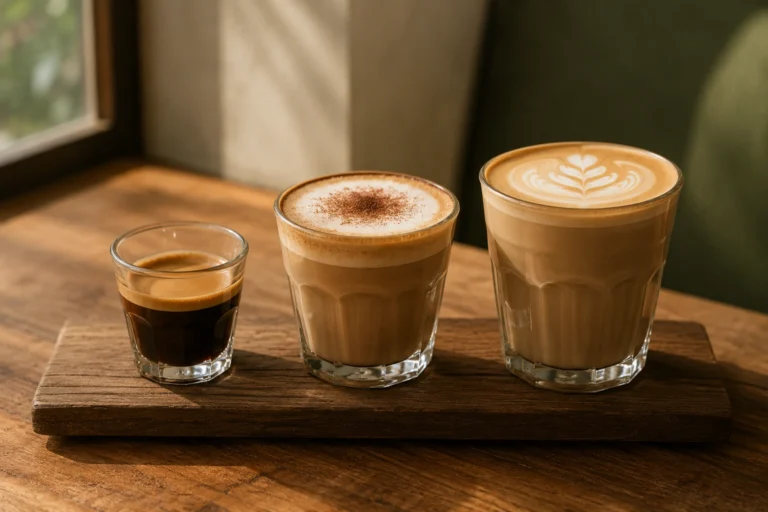
Pakistan is a tea country. That fact is not in dispute. The Rs150 billion hot beverages market is still dominated by chai — black, milky, sweetened, spiced, served in everything from bone china to disposable plastic cups at the side of every road. “Chai chahiye?” is less of a question and more of a cultural reflex, as automatic as a handshake. Tea is what Pakistan runs on.
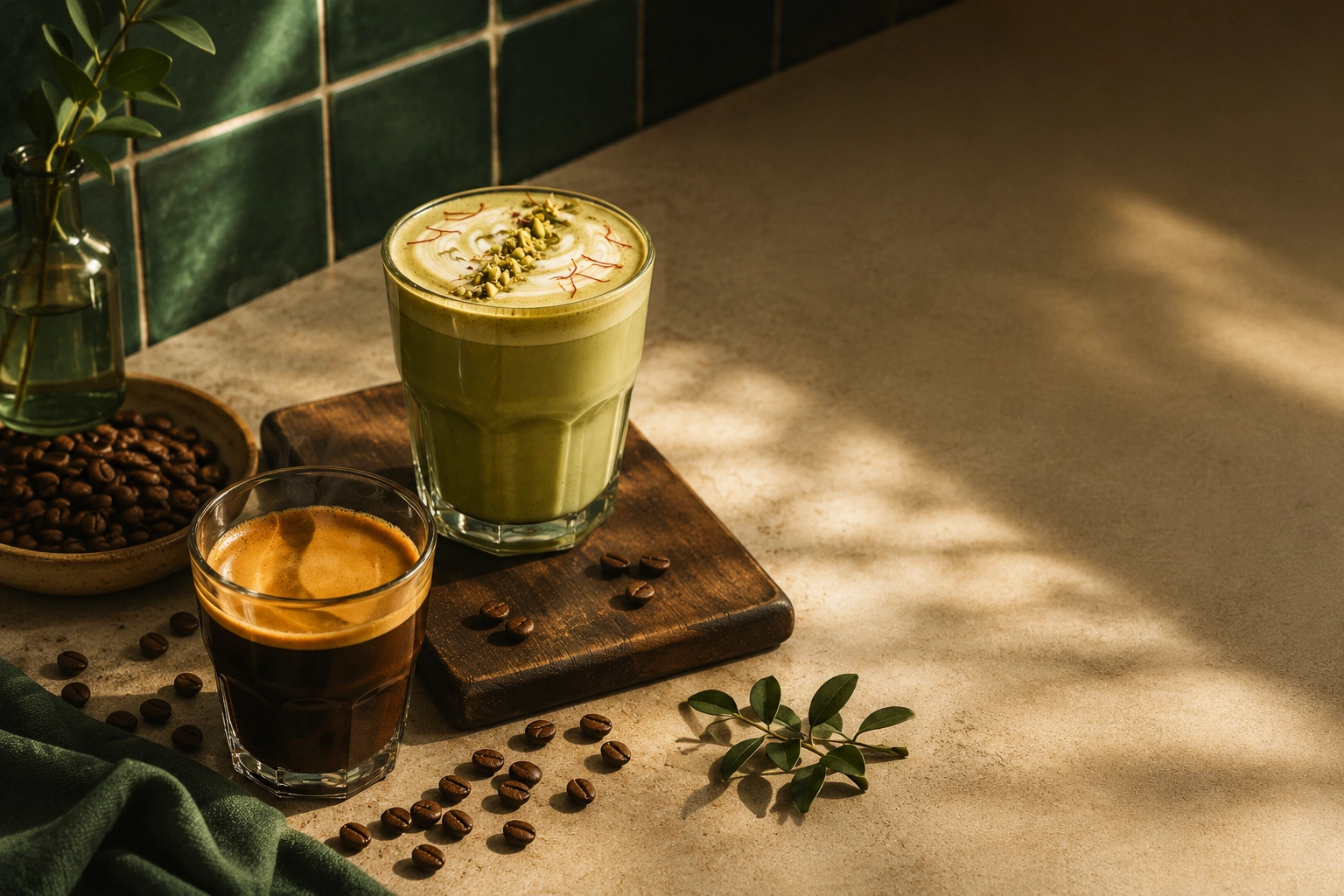
But something is shifting underneath that. Not a replacement — chai isn’t going anywhere — but a genuine, measurable expansion. Urban Pakistanis, particularly the generation that grew up with global exposure through social media and travel, are drinking more coffee than their parents did. And increasingly, they’re not just drinking more of it — they’re drinking better versions of it. The instant powder in a jar is giving way to pulled espresso shots, pour overs, and ceremonial matcha. The corner tea stall is being joined by specialty cafés with trained baristas and sourcing transparency.
This shift is one of the more interesting cultural transitions happening in Pakistan right now. It’s worth understanding where it came from, where it’s going, and what it actually means for the people driving it.
Where Pakistan Started — Phitti Hui Coffee and the Instant Era
Before there were cafés, there was phitti hui coffee. Hand-beaten instant coffee, vigorously mixed with sugar and a small amount of water until it became a thick, creamy paste — then topped with hot milk. It was the homemade version of what we’d now call a latte, and for decades it was Pakistan’s primary experience of coffee. Sweet, familiar, and entirely disconnected from what coffee actually tastes like when it isn’t processed and instant.
The first wave of formal café culture arrived in the 2000s with international chains — Second Cup, Coffee Bean & Tea Leaf, Gloria Jean’s, and later Starbucks. These introduced Lahore, Karachi, and Islamabad to espresso-based drinks: lattes, cappuccinos, frappuccinos. They also introduced the idea of a café as a destination rather than a utility stop — a place to sit, meet someone, be seen. The coffee itself was often commercial-grade, the beans pre-blended and roasted dark to hide any inconsistency. But the format was new, and it caught on.
That second-wave chain café culture is what most Pakistanis in their thirties and forties grew up with. The latte became the default order. The café became the default social venue for the urban middle class.
The Generation That Changed Everything
The shift from that era to the current one is primarily generational. Pakistan’s Gen Z — digital natives who grew up with YouTube, Instagram, and access to global content — arrived at café culture with a different set of references. They’d seen specialty coffee documented on social media. They’d watched baristas in Seoul and Melbourne and New York talk about single-origin beans and extraction ratios. They’d tried different things when they travelled. And when they came home, they brought expectations with them.
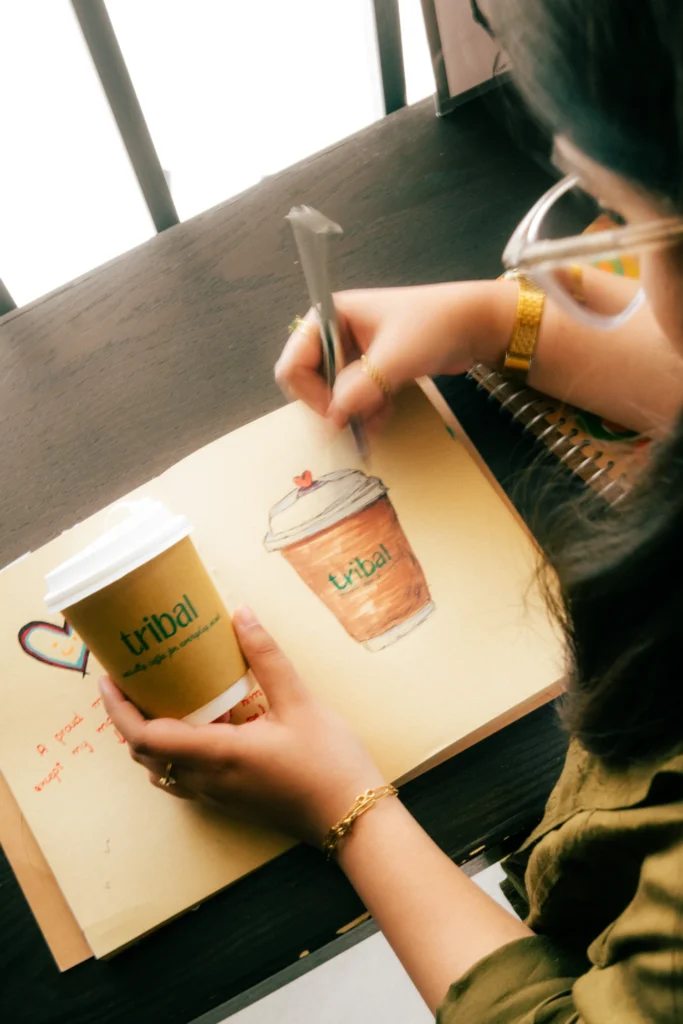
The café, for this generation, is not just a place to get a drink. It is a workspace, a social venue, a content backdrop, and a signal of identity. Which café you go to and what you order says something about who you are — and that social dimension has accelerated the demand for cafés that take quality seriously, because quality is visible and shareable in a way that a generic latte from a chain is not.
This is the demand that created Pakistan’s current specialty coffee scene.
The Numbers Behind the Shift
The cultural change is reflected in the data. Pakistan’s roasted coffee import market grew by 40.36% between 2023 and 2024 alone — a figure that reflects not just more cafés opening, but more people buying beans to brew at home. The compound annual growth rate for roasted coffee imports from 2020 to 2024 was 23.48%. Pakistan’s overall coffee market is projected to grow by USD 73.8 million between 2025 and 2030, at a CAGR of 10.8% — a trajectory that puts it among the fastest-growing coffee markets in the region.
These aren’t statistics about a minor trend. They reflect a structural change in consumption habits happening across Lahore, Karachi, and Islamabad simultaneously — driven by demographics, disposable income, and cultural aspiration all moving in the same direction at the same time.
What “Specialty Coffee” Means in the Pakistan Context
The word “specialty” is being used a lot in Pakistan’s café market right now, not all of it accurately. But the genuine specialty coffee movement — the one concerned with sourcing, grading, roasting, and brewing standards — is also genuinely present and growing.
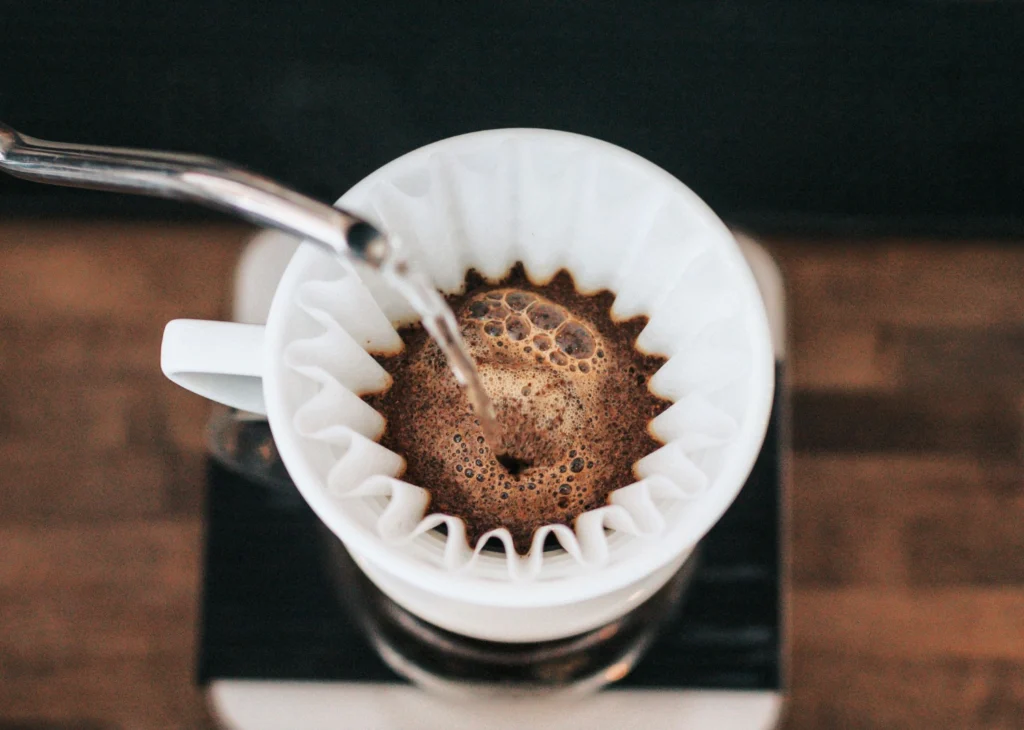
Urban roasteries in Karachi, Lahore, and Islamabad are sourcing green coffee with traceable origins, roasting in-house, and educating customers about what they’re drinking. Home brewing equipment — V60 drippers, AeroPress, French press, gooseneck kettles — is increasingly available online and in specialty retail. Brewing workshops are being offered in multiple cities. The vocabulary of specialty coffee (single-origin, natural process, light roast, extraction) is entering mainstream café conversations in a way it simply wasn’t five years ago.
Perhaps most interestingly, Pakistan is beginning to explore its own coffee production. Areas like Hazara, Mardan, and parts of Balochistan have started cultivating coffee with distinct local taste profiles — a development that, if it scales, could add a genuinely Pakistani chapter to the global specialty coffee story. Urban roasteries are already experimenting with these locally grown beans alongside their imported single-origins.
For a deeper understanding of what specialty coffee means and how to identify it, the guide to specialty coffee in Lahore covers the grading system, sourcing standards, and what to look for when a café claims to serve it.
Lahore’s Role in the Third Wave
Of the three major Pakistani cities, Lahore’s café scene has developed a particularly strong specialty coffee identity. The city’s combination of a large student and young professional population, a strong food and hospitality culture, and neighbourhoods like DHA and Gulberg that support premium retail has created conditions where independent specialty cafés can survive and grow.
The third wave — the movement that treats coffee as an agricultural product with traceable origin rather than a commodity — arrived in Lahore noticeably later than in Karachi, where T2F and later Qahwah were early advocates. But Lahore’s adoption has been rapid. In DHA Phase 6 alone, the number of cafés taking coffee quality seriously has grown significantly in the past three years. Where the neighbourhood once had one or two options beyond chains, it now has a developing ecosystem of independent cafés competing on quality rather than just location and ambience.
Tribal Cafe is part of that ecosystem — a neighborhood café in Sector C, DHA Phase 6, built around specialty-grade, in-house roasted beans and the belief that exceptional coffee shouldn’t require travelling to Gulberg to find.
What’s Driving the Change — Beyond the Demographics
The demographic shift is the foundation, but several other factors are accelerating it.
Social Media and the Aestheticisation of Coffee
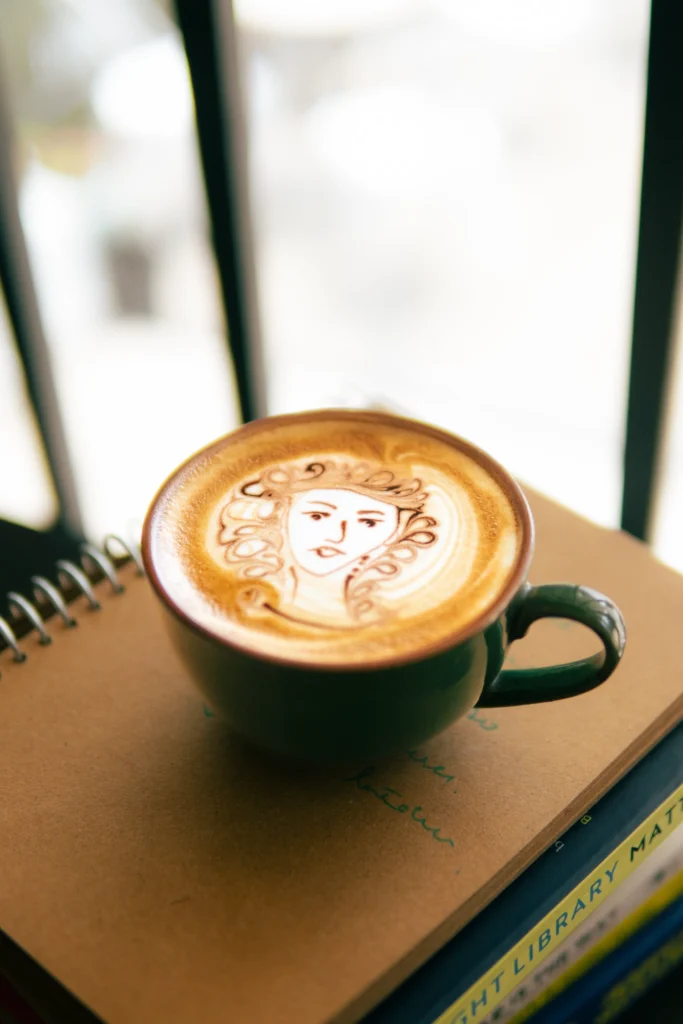
Coffee photographs extremely well. Latte art, vivid matcha, layered cold drinks — these are inherently visual products in a social media environment that rewards visual content. TikTok challenges, Instagram aesthetics, and YouTube café tours have made coffee culture visible and aspirational for a population that might not have encountered it otherwise. The café has become a content location as much as a beverage destination.
The Work Culture Shift
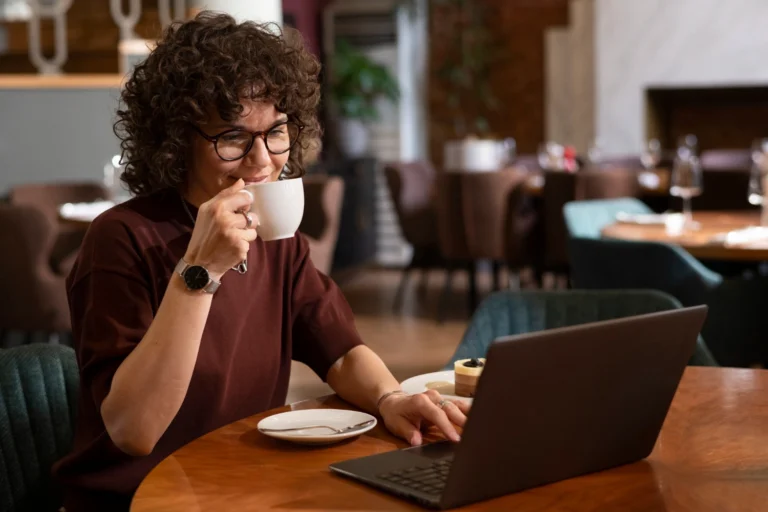
Remote and hybrid work — accelerated by the pandemic and now normalised across Pakistan’s tech and creative industries — has fundamentally changed where people spend their working hours. Cafés have become the default co-working environment for freelancers, students, and remote employees across Lahore, Karachi, and Islamabad. That shift has driven demand not just for cafés that exist but for cafés that are genuinely good to spend several hours in — comfortable, well-equipped, and serving coffee worth ordering repeatedly.
The Home Brewing Movement
The specialty café experience has spilled into the home. Pakistanis who discovered pour over or AeroPress at a good café are increasingly buying the equipment and beans to replicate it at home. Specialty roasters now sell directly to home consumers online, and brewing guides and tutorials are widely consumed. The pour over collection at Tribal — including the Costa Rican Single Origin brewed through a V60 — reflects this trend directly: customers who understand what they’re ordering, who came in already knowing what a V60 is and why it matters.
What Hasn’t Changed — And Why That Matters
For all the growth in coffee culture, chai remains dominant by every measurable metric. Pakistan’s tea consumption is deeply culturally embedded in ways that coffee cannot displace — and most people in the specialty coffee industry understand this. The growth of coffee in Pakistan is not a story of replacement. It’s a story of expansion.
The most honest framing is that coffee has moved from being a foreign habit adopted by the urban elite into being a genuine part of everyday culture for a significant and growing segment of the population — particularly in cities, particularly among the under-35 demographic, and particularly in the kind of neighbourhood café context that Lahore’s DHA has developed.
That expansion creates something genuinely interesting: a market where quality matters, where customers have developed real preferences, and where a café that takes coffee seriously has a sustainable business because the people it’s serving are genuinely interested in what’s in the cup — not just where to sit.
Where It Goes From Here
The trajectory is clear. Pakistan’s coffee market will continue growing through the end of the decade and beyond. The specialty tier of that market — the segment that cares about sourcing, roasting, and brewing quality — will grow faster than the commodity tier, as it has in every market that preceded Pakistan’s.
What’s less predictable is how quickly local coffee production develops, whether the regulatory environment for imports becomes more or less favourable, and how the next generation of Pakistani cafés differentiates itself from the current one. The first generation of specialty cafés in Pakistan established that quality was possible and that customers would pay for it. The second generation — which is arguably already underway — will compete on what kind of quality, from where, and for whom.
The shift in Pakistan’s coffee culture isn’t finished. It’s just getting interesting.
Frequently Asked Questions
Is coffee becoming more popular than chai in Pakistan?
No — chai remains significantly more popular by volume across all demographics and regions. But coffee consumption is growing rapidly among urban populations, particularly in Lahore, Karachi, and Islamabad, driven by a younger generation with global taste references and a growing specialty café scene.
What is driving the growth of café culture in Lahore?
The primary drivers are demographic — a large young professional and student population with global exposure through social media and travel — alongside the growth of remote work, which has made cafés into co-working spaces. The quality of cafés has also improved significantly, creating a self-reinforcing cycle where better coffee drives more visits and higher expectations.
What is specialty coffee and where can I find it in DHA Phase 6?
Specialty coffee refers to beans scoring 80 or above on the SCA’s 100-point grading scale, roasted and brewed with attention to origin flavour. Tribal Cafe at Shop 9, Sector C, DHA Phase 6 serves specialty-grade, in-house roasted coffee daily from 7AM to 1AM. For a full explanation of what specialty coffee means, read the guide to specialty coffee in Lahore.
Does Pakistan grow its own coffee?
Yes — in small quantities. Areas including Hazara, Mardan, and parts of Balochistan have started cultivating coffee with distinct local flavour profiles. Urban roasteries in Karachi, Lahore, and Islamabad are experimenting with these locally grown beans, though the majority of specialty coffee consumed in Pakistan is still imported.
What is phitti hui coffee and how does it relate to modern café culture?
Phitti hui coffee is Pakistan’s traditional homemade coffee — instant coffee hand-beaten with sugar into a thick paste, then topped with hot milk. It predates café culture and was most Pakistanis’ first experience of coffee. The modern latte is its closest café equivalent, which partly explains why the latte became the default order when chain cafés arrived in Pakistan in the 2000s.
DHA Phase 6 has quietly become one of Lahore’s most productive neighbourhoods to work from — not in an office, but in a café. The combination of a young professional and student population, reliable commercial development, and a growing number
Lahore has approximately five months of weather that makes a hot cup of coffee feel like a bad idea the moment it leaves the counter. From April through August, the city runs at temperatures that put anything steaming into the
There’s a specific kind of cold coffee that appears on specialty café menus and consistently confuses people who haven’t encountered it before. It’s called a shaken espresso. It sounds simple — espresso, shaken — and it is, technically. But what