Lahore has approximately five months of weather that makes a hot cup of coffee feel like a bad idea the moment it leaves the counter. From April through August, the city runs at temperatures that put anything steaming into the category of commitment — you want the caffeine, but you’re not sure you want to drink something warm to get it.
At the same time, there are specific things that a hot coffee does that cold coffee simply can’t replicate — the aroma, the warmth, the ritual of the first cup of the morning. The debate between cold and hot isn’t just about temperature. It’s about what you’re trying to get out of the drink, when you’re drinking it, and what Lahore’s climate actually demands from a café menu across different points in the day.
This guide gives you the full comparison — taste, caffeine, health, and the specific context of drinking coffee in a city where summer starts in March and doesn’t fully leave until October.
The Core Difference Between Cold and Hot Coffee
The distinction between cold and hot coffee isn’t just temperature — it’s chemistry. Hot water extracts coffee compounds differently than cold water, which means the same beans brewed at different temperatures produce genuinely different drinks with different flavour profiles, acidity levels, and caffeine content.
Hot brewing uses water at 90–96°C, which rapidly extracts a wide range of soluble compounds from the coffee grounds — acids, aromatic oils, bitterness compounds, and caffeine — in a short time frame (25 seconds for espresso, 3–4 minutes for pour over). The result is a more acidic, more aromatic, more complex cup.
Cold brewing uses water at room temperature or below, steeping for 12–24 hours. The longer contact time extracts caffeine and sweetness but pulls fewer of the acidic and bitter compounds that hot water extracts. The result is a smoother, lower-acid drink that tastes noticeably different from the same beans brewed hot.
Iced coffee — hot espresso poured over ice — is different again: it starts as hot-brewed coffee and is then chilled rapidly, preserving some of the aromatic complexity of hot coffee while delivering it cold.
Cold Coffee vs Hot Coffee — Full Comparison
Hot Coffee (Espresso/Pour Over)
Iced Coffee / Shaken Espresso
Cold Brew
Brewing temperature
90–96°C
Hot brewed, served cold
Cold/room temp
Acidity
Higher
Medium (preserved from hot brew)
Low
Antioxidants
Higher (heat extracts more)
Medium
Lower
Aroma
Most intense
Moderate
Mild
Caffeine
60–140mg per serving
60–140mg per serving
~200mg per 16oz
Smoothness
Less smooth (more acidic)
Smoother than hot, brighter than cold brew
Smoothest
Best for
Morning ritual, focus, aroma
Hot afternoons, quick caffeine
Low-acid preference, long sessions
Lahore season fit
Oct–Feb
Apr–Sep
Year-round
Taste: What Hot Coffee Does That Cold Can’t
Hot coffee’s greatest advantage is aromatic intensity. Volatile aromatic compounds in coffee — the molecules responsible for the smell and the complex flavour notes (fruit, chocolate, nuts, florals) — are significantly more active at higher temperatures. A hot espresso or pour over will smell more intensely than a cold version of the same coffee, and much of coffee’s flavour perception happens through the nose rather than the taste buds alone.
Research published in Food Chemistry found that hot coffee’s warming process drives aromatic molecules into the olfactory system — the retro-nasal pathway from the throat — giving hot coffee a more immediate and intense flavour experience than cold. This is why a single-origin pour over, drunk hot, reveals its origin characteristics most clearly. The same beans as cold brew will taste noticeably flatter.
For specialty coffee — where the whole point is tasting the origin — hot brewing is the more expressive format. If you want to understand what a bean actually tastes like, drink it hot first. The classic espresso collection and pour over bar at Tribal Cafe are built around this principle.
Taste: What Cold Coffee Does That Hot Can’t
Cold coffee’s advantage is smoothness and approachability. The reduced acidity from cold brewing or rapid chilling means the bitterness and sharpness that put some people off coffee is significantly reduced. Cold brew, in particular, tastes noticeably sweeter and rounder than the same beans brewed hot — the cold water extracts the sweetness without the harsh acids.
For people who find hot espresso too sharp or too intense — particularly those new to specialty coffee — cold coffee is consistently the more comfortable entry point. The Shaken Espresso format, which rapidly chills hot espresso through vigorous shaking, occupies the middle ground: it retains more of the espresso’s brightness and complexity than cold brew while being significantly smoother than a hot shot.
Lahore’s cold coffee preference is also partly visual and social — iced drinks photograph better, layer more dramatically, and signal a lifestyle identity that has become important to the city’s urban youth. A survey of Lahore café culture from 2024 described Pakistani Gen Z’s relationship with cold coffee as part of “hacked time and curated authenticity” — a hot cup in the morning as ritual, a cold one in the afternoon as reward.
Caffeine: Which Has More?
The straightforward answer: it depends on what you’re comparing.
Hot espresso contains approximately 60–70mg of caffeine per single shot and 120–140mg per double shot — in 30–60ml of liquid. This is the highest caffeine concentration per ml of any coffee format.
Iced coffee and shaken espresso, built on the same espresso base, deliver the same caffeine as their hot equivalents — the chilling process doesn’t change the caffeine content.
Cold brew is a different case. Because cold brewing uses a higher ratio of coffee grounds to water and steeps for 12–24 hours, a standard 16oz serving of cold brew typically contains around 200mg of caffeine — more total caffeine than a double espresso, though at lower concentration per ml.
Hot water extracts caffeine more efficiently per gram of coffee used, but cold brew compensates with a higher coffee-to-water ratio, which is why the total caffeine per serving ends up comparable or higher despite the less-efficient extraction.
For Lahore’s heat specifically: if you want maximum caffeine in a cold format without waiting for cold brew to steep, a Shaken Espresso delivers the double espresso dose (120–140mg) chilled and aerated — fast, concentrated, and cold.
Health: Which Is Actually Better for You?
Both have documented health benefits. Neither is definitively healthier. But the differences are real and worth knowing.
Hot coffee has a health edge on antioxidants. Research from Temple University found that hot coffee contains more titratable acids, including caffeoylquinic acid — one of the primary antioxidants in coffee — than cold brew. Heat is “really crucial to the compounds that make hot coffee taste like hot coffee,” including the antioxidant compounds it produces. If antioxidant content is the priority, hot brewing wins.
Cold coffee has the edge on digestive comfort. Cold brew’s lower acidity makes it considerably easier on the stomach for people who experience digestive discomfort, reflux, or sensitivity with hot coffee. If hot coffee causes issues and you’ve been avoiding coffee for that reason, cold brew is the format to try first.
Neither is a health food. Both deliver caffeine, antioxidants, and compounds with documented associations with reduced disease risk. The difference between hot and cold is a matter of degree, not category — both are compatible with a healthy daily routine at moderate consumption.
The Lahore Climate Factor
This is the context that matters most for anyone in DHA Phase 6.
Lahore’s temperatures from April to September regularly exceed 35–40°C, with June to August frequently reaching 45°C. In this climate, the question of cold vs hot coffee isn’t purely about preference — it’s about comfort, hydration, and how the drink interacts with the body’s already-warm state.
45% of global consumers say cold and iced specialty beverages are their preferred choice in the afternoon (Technomic, 2026). In Lahore, where afternoon temperatures are among the most extreme in the region, that preference skews even higher. Cold coffee isn’t a seasonal trend in Lahore — it’s a practical response to the environment.
The practical recommendation for Lahore’s calendar:
October to February (cooler months): Hot coffee is genuinely comfortable and enjoyable. The morning espresso or pour over delivers its full aromatic potential, and the warmth is welcome rather than uncomfortable. Hot coffee in Lahore winter is a different experience from hot coffee in Lahore summer.
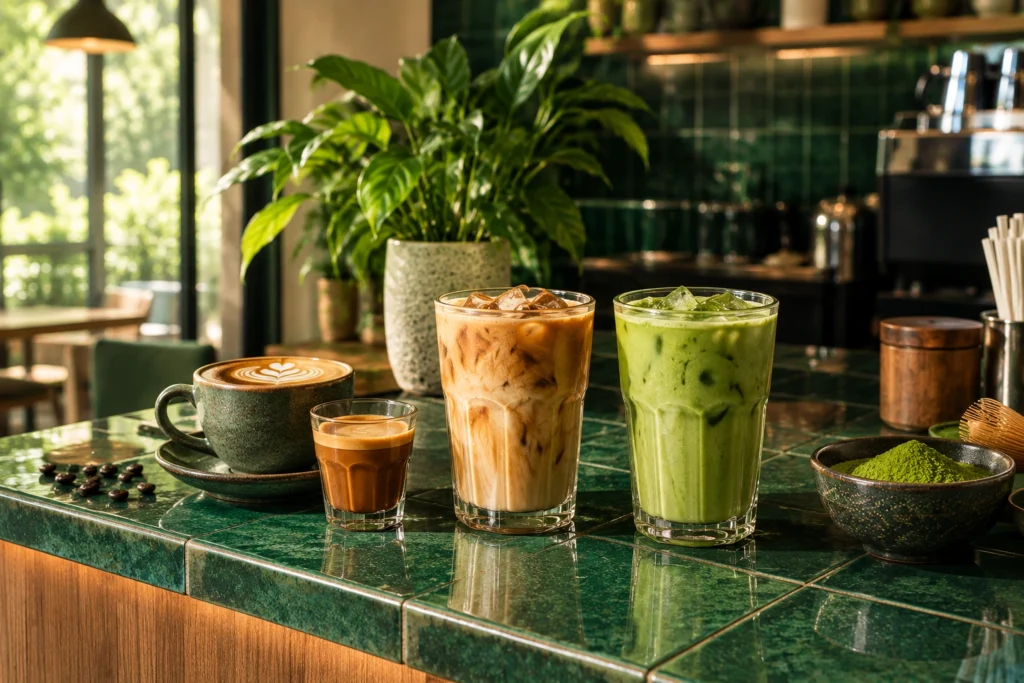
March to September (warm to hot months): Cold coffee becomes the default. The Shaken Espresso, iced lattes from the classic espresso collection, or iced versions of the matcha fusions from the Matcha Fusions collection are all built for this part of the year. Even the non-coffee options — Lemongrass Iced Tea and Peach Iced Tea from the Non-Coffee Drinks collection — exist specifically for the DHA Phase 6 customer who wants something genuinely refreshing in the middle of a Lahore summer.
The year-round approach most Tribal regulars use: hot coffee in the morning for the ritual and the aromatic experience; cold coffee in the afternoon when the temperature peaks and you want caffeine without adding heat.
Which Cold Coffee Format Is Right for You?
If you’ve decided to go cold, there are three distinct formats worth distinguishing:
Iced Latte: The most familiar and approachable — espresso poured over ice with cold milk. Milder than straight iced espresso, creamy, and available in flavoured versions across the Flavoured Lattes collection.
Shaken Espresso: More espresso-forward than an iced latte, with a frothy, aerated texture from the shaking process. Higher caffeine in a smaller volume. Better for people who want the espresso character delivered cold. Available as the Shaken Espresso in the Signatures collection at Tribal Cafe.
Cold Brew: The smoothest, lowest-acid format — espresso-less, steeped cold for hours. The best option for anyone with sensitivity to coffee acidity or who wants a larger, more slowly-consumed cold coffee. Ask at the counter for current availability.
Iced Matcha: Not coffee, but worth including here. The Matcha Fusions collection at Tribal Cafe offers a cold caffeine option that sidesteps the coffee vs cold debate entirely — ceremonial-grade matcha with L-theanine for calm alertness rather than a caffeine spike, in formats specifically designed for Lahore’s warm climate.
Frequently Asked Questions
Is cold coffee better than hot coffee in summer in Lahore?
For comfort and practicality during Lahore’s summer months (April–September), cold coffee is the more suitable choice — iced lattes, shaken espresso, and cold brew are all built for high-temperature consumption. Hot coffee remains the better choice for aromatic intensity, antioxidant content, and the morning ritual experience, and is genuinely comfortable during Lahore’s October–February cooler season.
Does cold coffee have less caffeine than hot coffee?
Iced coffee and shaken espresso built on a hot espresso base have the same caffeine as their hot equivalents — chilling doesn’t change caffeine content. Cold brew can actually contain more total caffeine per serving (approximately 200mg per 16oz) than a standard hot coffee, because the higher coffee-to-water ratio compensates for less-efficient cold extraction.
Is cold coffee less acidic than hot coffee?
Yes — cold brew specifically is significantly lower in acidity than hot-brewed coffee, because cold water extracts fewer of the acidic compounds that hot water pulls from the grounds. Iced coffee poured from a hot espresso base retains more acidity than cold brew but is still served cold and is easier to drink in warm weather. For anyone with stomach sensitivity, cold brew is the most comfortable coffee format.
Which is healthier — hot coffee or cold coffee?
Hot coffee contains more antioxidants per serving, specifically caffeoylquinic acid, because heat extracts more of these compounds than cold water. Cold brew has the edge on digestive comfort due to lower acidity. Neither is definitively healthier — the difference is one of degree, not category, and both are compatible with a healthy routine at moderate consumption.
What is the best cold coffee to order at Tribal Cafe DHA Phase 6?
The Shaken Espresso is the most distinctive cold coffee at Tribal Cafe — a double shot shaken vigorously over ice until chilled and aerated, delivering the full espresso character cold. Iced versions of the classic espresso drinks (Iced Latte, Iced Americano) are also available. The Matcha Fusions collection offers eight ceremonial-grade matcha drinks as cold, caffeine-containing alternatives. All are available daily at Shop 9, Sector C, DHA Phase 6, from 7AM to 1AM.
Why is cold coffee more popular with younger people in Pakistan?
Research and café industry data from Pakistan consistently show that urban Gen Z consumers in Lahore, Karachi, and Islamabad are the primary drivers of cold coffee growth. Cold and iced coffee has become a lifestyle signal — part of a “curated authenticity” that includes the café visit, the visual drink, and the social moment around it. Practical factors (Lahore’s heat) reinforce the preference that cultural factors established.
There’s a specific kind of cold coffee that appears on specialty café menus and consistently confuses people who haven’t encountered it before. It’s called a shaken espresso. It sounds simple — espresso, shaken — and it is, technically. But what
The matcha vs coffee debate has quietly moved from niche wellness forums into mainstream café menus. In DHA Lahore right now, you can walk into Tribal Cafe and order either a double espresso or a Coconut Cloud Matcha — and
If you’ve been to a café in DHA Lahore recently, you’ve almost certainly seen a Spanish Latte on the menu. It sits there next to the regular latte, usually at a slightly higher price, with a description that either says